
Mobile Home Park and Manufactured Housing Broker in Florida
All-Age Communities. 55-Plus Parks. Mixed MH and RV. Serving Florida’s Manufactured Housing Market.
Mobile Home Parks
Manufactured Housing Has Become One of the Most Resilient
Asset Classes in Commercial Real Estate
Drew Rutherford works with mobile home park owners and investors across Florida, bringing commercial real estate brokerage expertise to one of the most closely watched asset classes in the country. Over the past decade, manufactured housing communities have transformed from a niche, mom-and-pop dominated corner of real estate into a mainstream investment target pursued by institutional capital, private equity, and experienced private investors. Florida is one of the three most active states in the country for MHC transactions alongside California and Texas.
The investment case for mobile home parks rests on a straightforward foundation: residents own their homes and rent the land, which keeps operating costs low for park owners and creates high occupancy stability. National occupancy has climbed from approximately 86.5% a decade ago to nearly 94% today. New development is rare because zoning and permitting commonly prevent new community approvals, and some older communities are being bought and redeveloped into higher-density uses — reducing the remaining supply and supporting values for existing parks. In December 2024, Brookfield sold nearly 80 mobile home parks to multiple buyers for approximately $1.6 billion, underscoring the scale of institutional interest in this asset class.
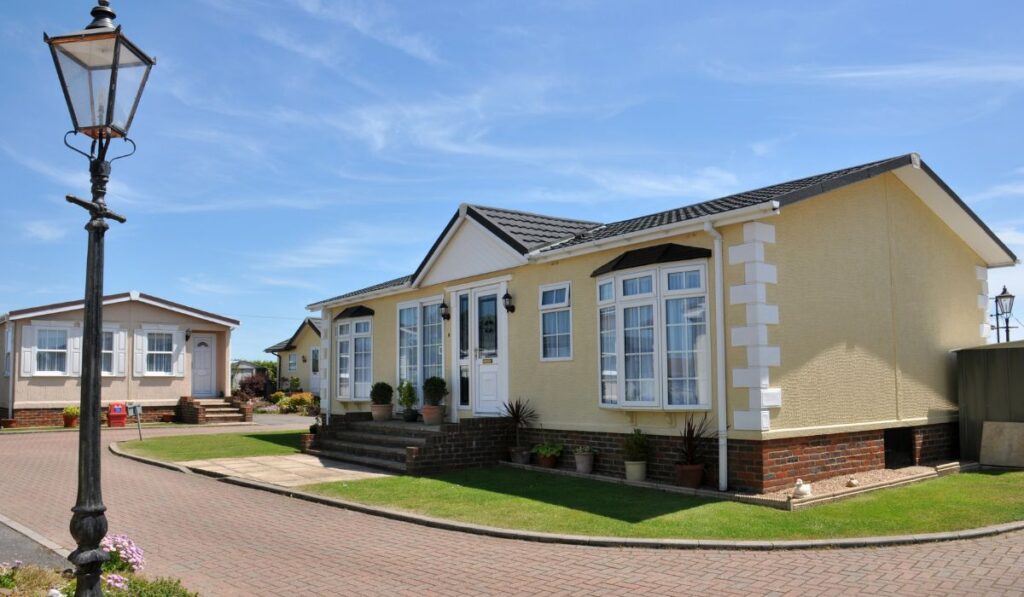
Areas of Focus
Mobile Home Park and Manufactured Housing Transactions Across Florida
01.
Mobile Home Park Sales
Seller representation for mobile home park owners across Florida evaluating a disposition, responding to unsolicited buyer interest, or seeking to understand current market value before making any decisions.
02.
MHC Acquisition Representation
Buyer representation for investors seeking stable, income-producing manufactured housing communities in Florida, including stabilized parks, value-add communities with below-market lot rents, and off-market acquisitions.
03.
Age-Restricted 55-Plus Communities
Age-restricted manufactured housing communities represent a high-demand, tightly held segment of the Florida MHC market, with strong occupancy and long-term resident stability driven by the state’s large retiree population.
04.
All-Age Communities
All-age manufactured housing communities with below-market lot rents represent some of the strongest value-add opportunities in the Florida MHC market today, with lot rent growth averaging 5.5 to 11 percent annually across the state.
05.
Mixed MH and RV Communities
Mixed manufactured housing and RV park communities for buyers and sellers of multi-use properties — a growing transaction category as investors seek assets with multiple revenue streams and diverse tenant profiles.
06.
Off-Market MHC Acquisitions
Direct access to Florida mobile home parks before they reach public listing platforms. Many MHC owners receive unsolicited offers below market value — a structured sale process with proper market exposure consistently achieves 8 to 15 percent above initial expectations.
FLORIDA MANUFACTURED HOUSING MARKET
What Mobile Home Park Owners and Investors Need to Know Right Now
Florida’s manufactured housing market is one of the strongest in the country. Lot rent growth across the state has averaged 5.5 to 11 percent annually, supported by population inflows and a persistent shortage of affordable housing options. National occupancy has climbed from approximately 86.5 percent a decade ago to nearly 94 percent today. Transaction velocity surged in 2025 with total MHC sales outpacing the prior 12 months by 51 percent, and first-half sales velocity up 66 percent year over year. Cap rates are averaging 5.9 percent nationally, with premium communities trading at 4 to 5 percent and stabilized assets at 5 to 7 percent. The median price per space reached approximately $45,500 in first-half 2025. Well-marketed assets are achieving pricing 8 to 15 percent above initial expectations as institutional and private equity capital continues to support competitive pricing. In December 2024, Brookfield sold nearly 80 mobile home parks to multiple buyers for approximately $1.6 billion, underscoring the scale of institutional demand for this asset class. Florida is one of the three most active states in the country for MHC transactions alongside California and Texas.
For MHC owners considering a sale, conditions remain favorable but the window may be narrowing as institutional buyers grow more selective. Owners who receive unsolicited offers should understand those offers are typically below what a properly structured sale process would achieve. New development is rare because zoning and permitting commonly prevent new community approvals, and some older communities are being bought and redeveloped into higher-density uses — reducing the remaining supply and supporting values for existing parks. Drew works with Florida mobile home park owners to evaluate current market value and execute a sale process that puts them in the strongest possible negotiating position. The county is built out. There is no industrial land pipeline, no new spec development on the horizon, and no relief coming from new supply. That dynamic keeps Pinellas vacancy among the lowest in the metro. Small-bay and flex space here runs 12 to 16 dollars per square foot for functional buildings, above the Tampa Bay average, and well-located properties attract competitive interest from both tenants and investors. The investors who have been paying attention to Pinellas industrial are buying at what many see as a compelling entry point, cap rates around 7.6 percent and vacancy likely near its peak.
Representation
Sellers. Buyers. Value-Add Investors. Drew Works All Three
MHP Sellers
If you own a mobile home park in Florida and are considering a sale, the process starts with an accurate per-space valuation based on lot rents, occupancy, utility infrastructure, and the current buyer pool for your asset type. Drew works with MHP sellers before a property reaches the market, protecting your interests and ensuring you are not leaving money on the table by responding to unsolicited offers.
MHP Buyers and Investors
Whether you are a private investor seeking your first manufactured housing community, an experienced operator adding to your Florida portfolio, or a syndication group targeting value-add MHC assets, Drew brings current market data and off-market access that online platforms cannot offer.
Value-Add Investors
Florida mobile home parks with below-market lot rents represent compelling value-add opportunities in a state where lot rent growth has averaged 5.5 to 11 percent annually. Drew works with value-add buyers to identify communities where operational improvements and measured rent normalization can significantly increase asset value.
Frequently Asked Questions About Mobile Home Park Investment in Florida
How do I find a mobile home park broker in Florida?
Drew Rutherford is a commercial real estate broker based in Clearwater Beach, Florida who works with mobile home park owners and buyers across the state. You can reach Drew directly through the contact page on this site to discuss your MHC property or acquisition needs.
What types of manufactured housing communities are available in Florida?
Florida mobile home park inventory includes all-age communities, age-restricted 55-plus parks, and mixed manufactured housing and RV communities. Florida is one of the three most active states for MHC transactions. The most active deal segment is the $1 million to $10 million mid-market where private investors and syndication groups are driving the majority of transactions. The county is land-constrained, which means new supply is limited and existing inventory, particularly small-bay and flex space, tends to carry lower vacancy rates than the broader Tampa Bay market.
What is a mobile home park worth in Florida?
MHC value is calculated using NOI divided by the appropriate cap rate. Cap rates for Florida manufactured housing communities average 5.9 percent nationally, with premium communities at 4 to 5 percent and stabilized assets at 5 to 7 percent. The median price per space reached approximately $45,500 in first-half 2025. Drew provides no-obligation value assessments for MHC owners considering a sale.
Is now a good time to sell a mobile home park in Florida?
Florida MHC fundamentals are among the strongest in the country. National occupancy has reached nearly 94 percent, lot rent growth in Florida averages 5.5 to 11 percent annually, and transaction velocity surged in 2025. Well-positioned, properly priced parks are attracting competitive buyer interest from both institutional and private capital. Owners who price and market correctly are finding qualified buyers. Those who rely on unsolicited offers are typically leaving money on the table.
Why do mobile home park residents have such high occupancy stability?
Moving a manufactured home is expensive, disruptive, and in many cases impractical. That financial reality creates high residential stability for park owners — residents who own their homes and rent the land are far less likely to leave than apartment tenants. This stability, combined with minimal new supply and persistent affordability demand, drives the manufactured housing sector’s consistently strong occupancy rates through economic cycles that would empty conventional rental housing. Flex space combines functional warehouse or shop space with a front office component, making it suitable for light manufacturing, service businesses, contractors, and showroom operations. Industrial is the broader category that includes both, along with manufacturing, R&D, and specialized production facilities. All three are active transaction categories in the Pinellas County market.
Ready to Discuss Your Mobile Home Park?
Whether you own a Florida mobile home park and want to understand what it is worth in today’s market, or you are a buyer looking for acquisition opportunities, the first conversation costs nothing. Drew works directly with owners and investors. No handoffs, no junior staff on your deal.